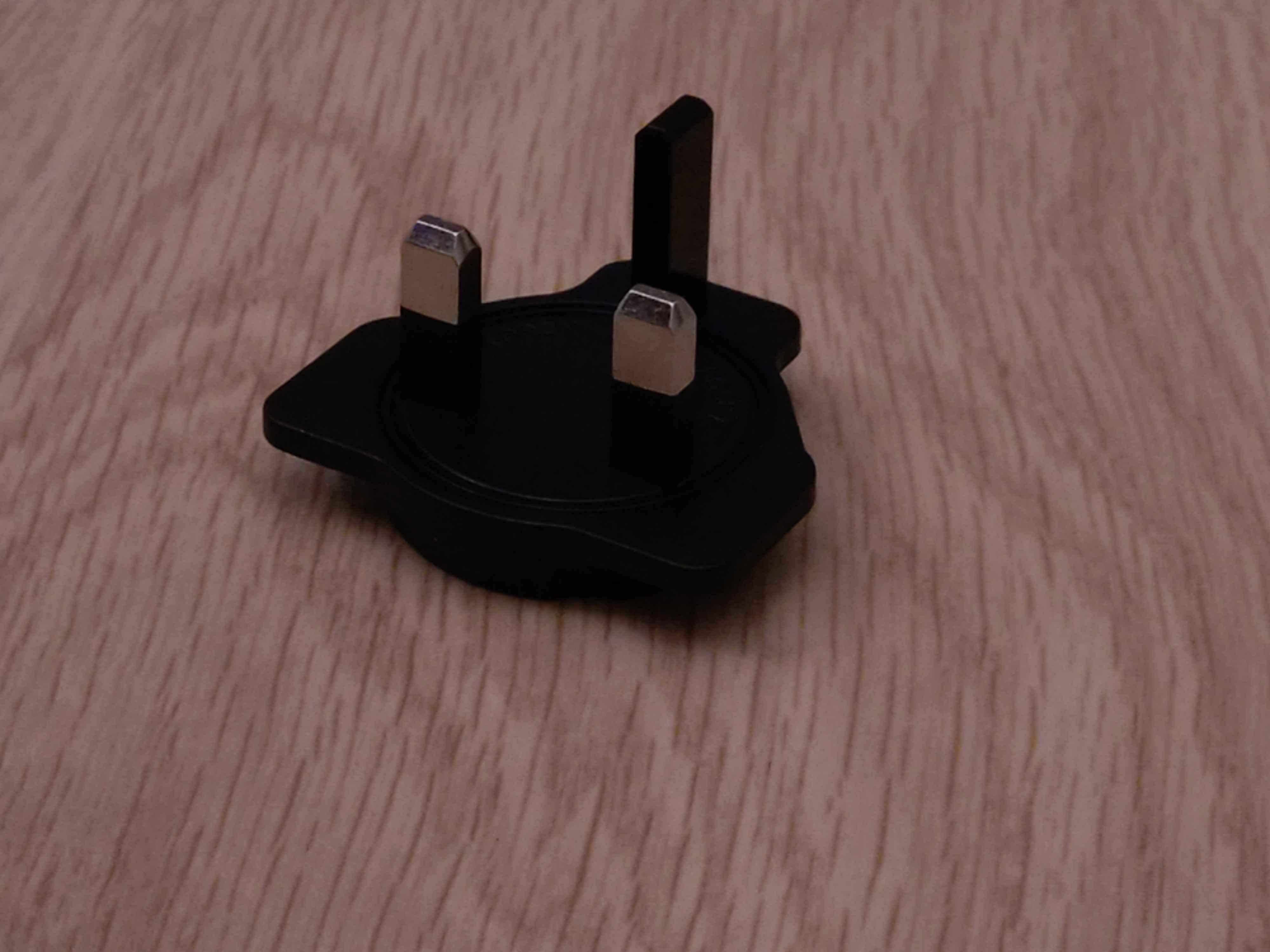
People who joke about legos haven’t stepped on this bad boy
I see you have never encountered a goat head.

You just brought back memories of my siblings and I walking around outside barefoot to the point these things penetrated our shoes more easily than our feet.
In rural southern Utah these things are literally everywhere. If you go out with cheap foam flip-flops, the entire bottom of the shoe will embedded with dozens of these seconds after you start walking around lol
Kind of oddly satisfying to pull them out of the soles of shoes tbf
I’m glad they’ve never managed to puncture my sneakers while hiking, because god knows I’ve had enough embedded in my soles when I check.
I have lost many bike tires to these guys over the years.
I’ve always heard them called sand spurs, and they’re the devil. Nothing in nature needs to be that sharp, ffs.
At least chestnuts have the decency to be really localized and large, despite being spikey balls of evil. These little fuckers are miniature, everywhere, and can hide in carpet for a solid six months before you notice them the one time you decide to go barefoot.
I’m so glad we don’t have these where I live.
Oh look that’s something ninjas spread on the road when they run.
Yo, what’s wrong with your goats?
The caltrop family? Really?
Chicken or egg?!
I don’t really fancy standing on either.
Is it normal for there to be no cord attached to these? That would stop them from facing this way on the floor
That’s from a power brick that came with attachments for different regions.
I’ve handled normal plugs as well and they tend to orient themselves prongs up too.
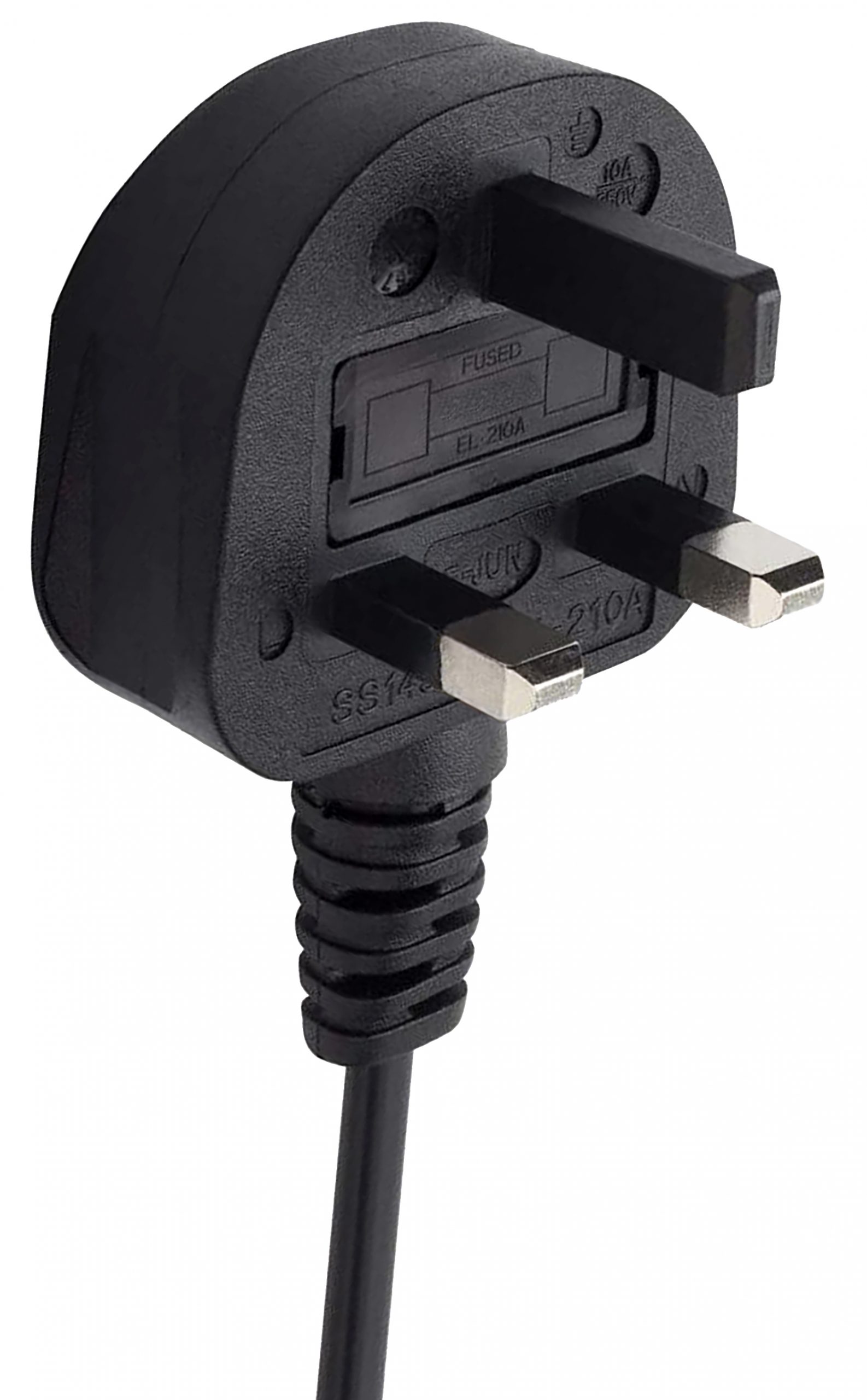
No, the cable comes out perpendicular to the pins (ie parallel to the wall).
Which pretty much guarantees foot-pain orientationIs this another safety factor, i.e. you can’t easily rip appliances out by accident?
A little bit of that im sure but L plugs are much better at being plugged in behind furniture
It’s so the live wire disconnects first if you pull the cable out - it’s the shortest, then neutral, then ground. Whoever designed this really thought of everything.
I doubt it.
Tripping over a cable is as likely to damage the socket as it is to rip the cable out of the plug.
Any appliance that increases risk by being unplugged should probably not be using a consumer connection…I think the 3 pin layout caused a lot of headaches, and the integrated fuse required a user-servicable plug.
So it would have to be a split-shell design of some type, where the appliance cable would have to be cable-gripped to the same part as the plug/socket pins.
Thus, a bottom-entry (heh) cable grip and a removable back plate that can only be unscrewed when it’s unplugged.
This was all in a time of bakelite. Plastic wasn’t flexible.But no, I think tripping over an early bakelite g-type (I think it’s officially a g-type) plug cable would likely shatter the plug and pull the pins out of the socket… If it didn’t also damage the socket.
Removed by mod
Sounds like the problem is people leaving plugs lying on the ground? Otherwise known as user error.
Best plug+receptor design in the world for electrical safety.
That’s debatable. The plug safety features only exist because of the UK’s uniquely substandard wiring.
Removed by mod
I would be mildly annoyed at 110v in easy reach with metal with out an isolation switch.
Removed by mod
One feature of UK plugs I really like is the built in warding of the live/neutral slots. The ground prong is longer to allow for the mechanism to unlock the hot slot when inserted. It’s essentially a built in childproofing.
Removed by mod
Yeah, I think brits and other europeans can generally agree on american plugs

So how does it work in the US then? Is there a law that everything needs to be isolated very well, no metal shells allowed or people just getting electrocuted from time to time
Never considered that Europeans don’t know the wonderful sensation of 110v. It can vary from a slight tingle (it’s not even tingle, but I can’t describe it) to a “holy shit” moment that throws you back, depending on how and where you touched it and how much current flows. The great thing about A/C is the cycle, unlike a DC current which can lock your muscles and keep you from letting go.
I’ve taken a 240VAC hit a few times. That will definitely wake you up.
Interestingly, the only times it has happened have been when I’ve been abusing the wiring. Never via a plug etc.
:) only the strong survive.
An actual answer: you very quickly learn to pull in a way that prevents your fingers from slipping onto the prongs, or you just pull the cord to remove things from outlets. That creates its own long term problems, but most people don’t really give a shit because the US is built off cheap plastic shit that you simply replace when it breaks.
That being said, I’ve received like 5 or 6 good hits of the 110v wake up due to the eccentricities of the US plug. It hurts like a bitch, but probably won’t kill you if you don’t have a pace maker and aren’t grabbing something grounded with the other hand.
We also only use GFCI in the bathroom and kitchen and don’t use RCD breakers. It’s honestly astonishing that the US electrical system doesn’t kill more people.
An actual answer: you very quickly learn to pull in a way that prevents your fingers from slipping onto the prongs
…Do you, though? Because this thread is the first time I’ve considered this as a problem- which I agree it could be better designed in general but especially for child safety purposes- and I’ve been around American plugs my entire life. I’ve never been shocked, unless we’re counting the time I grabbed an electric fence because I was an idiot teenager being goaded by other idiot teenagers.
You just… grab the plug by the plug part? It doesn’t really require any kind of special technique to not touch the metal bits. Maybe I just have big hands? Realistically, I probably couldn’t fit between the wall and the plug while it was still inserted enough to be live.
I also have big hands, but some plug designs are so low profile that if they are plugged into a particularly tight receptacle, you can’t get good leverage to remove them. You get the plug partially out, then try to reposition your grip to pull it the rest of the way or you grab it too far forward and your fingers slip while squeezing, and BAM, zapped.
Power strips are the biggest culprit for this one, since your fingers can end up on the seam between cord and strip and more easily slip under when unplugging.
Removed by mod
I am aware, but GFCI is the common term in the US, especially for outlets. RCD is used most other places. I was trying to keep the terminology consistent to what would be expected regionally.
Removed by mod